How to get your first 100 paying members (with a playbook you can copy)
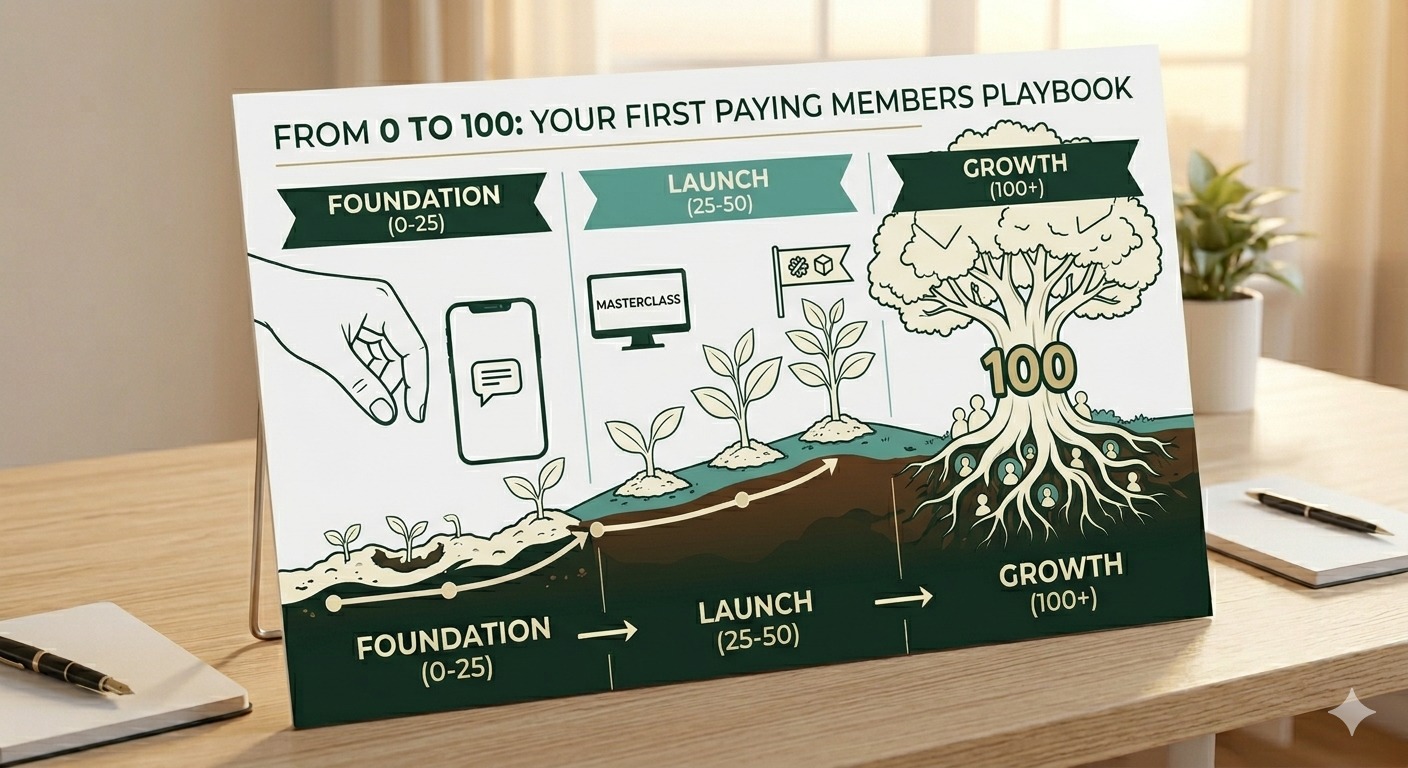
There is no single way to get to 100 members, but there are proven steps. In this guide, you will learn a simple three phase system to move from zero to your first 100 paying members using Gamms.
When Tunde launched his first paid community for freelance writers, only four people joined. After weeks of telling his friends that this would be his big break, the results felt like a failure. But a mentor told him something he never forgot: Every big forest starts with a few seeds.
Tunde kept going. Today, he has over 500 active members in his community. He no longer worries about where his next paycheck is coming from because his members provide a steady income every month.
That fear of starting small is something every creator in Nigeria feels. You see people on social media celebrating massive launches and you wonder why yours looks different. The truth is that every successful community begins with a few people who believe in your vision.
There is no single way to get to 100 members, but there are proven steps. In this guide, you will learn a simple three phase system to move from zero to your first 100 paying members using Gamms.
From zero to 100: The three phase launch system
Starting a community can feel like a lot of work. You have to set up the tech, create content, and figure out your pricing. Breaking this into phases helps you stay focused on the most important task at each stage.
Phase 1: Build your foundation (0 to 25 members)
Start with the people who already know you. This could be former clients, colleagues, or your most active followers on social media. Use personal messages rather than public posts. Send a direct message or an email asking for their feedback on your community idea. This stage is about validation. If ten people tell you they need help with a specific problem, you have a foundation for a paid offer.
Phase 2: Create a launch moment (25 to 50 members)
Once you have your first few members, it is time to go public. Host a live masterclass or a free webinar on a topic your audience cares about. At the end of the session, invite people to join your community. Use a special offer, such as a lower price for the first 50 people, to encourage them to take action. This creates a sense of urgency and rewards the people who join early.
Phase 3: Sustain your growth (50 to 100 members)
After the initial launch excitement dies down, focus on keeping your current members happy. Happy members stay longer and tell their friends about you. Start a weekly routine, such as a Friday Q&A session or a monthly guest speaker. On Gamms, you can track which members are the most active and reach out to them. This is the stage where you move from a one-time launch to a sustainable business.
The Expert-to-Community Playbook
This playbook is for creators who already have some expertise and a small but engaged following.
Phase 1: The Pilot Group
Before opening the doors to everyone, start with a pilot group. Tunde invited 15 people to join for a very low price in exchange for their honest feedback. He used their suggestions to fix the structure of his community. By doing this, he ensured that when the public joined, they were entering a space that was already active and valuable.
Key moves to try:
Identify your top 20 followers or past clients.
Offer them a deep discount to be your founding members.
Ask them exactly what features they want to see in the community.
Phase 2: The Live Event Launch
Tunde did not just post a link on his bio. He hosted a three day challenge called the Content Goldmine. Each day, he taught a specific skill. On the final day, he showed the participants how the community would help them continue their progress. Because they had already seen the value of his teaching for three days, 40 people signed up immediately.
Key moves to try:
Host a free event that solves one specific problem.
Show the inside of your Gamms community during the event.
Give a clear deadline for people to join at the launch price.
Phase 3: The Engagement Loop
Once he reached 60 members, Tunde focused on making the community a habit. He set up a simple schedule where every Monday he posted a goal setting thread and every Wednesday he shared a new resource. He also used the member directory on Gamms to introduce members to each other. This built a network where members stayed for the connections, not just for Tunde.
Key moves to try:
Create a predictable weekly schedule so members know when to check in.
Use the Gamms newsletter feature to send a weekly recap to everyone.
Reward active members with shoutouts or exclusive bonuses.
Common mistakes to avoid on the way to 100 members
Trying to be everywhere at once
Many creators try to manage a newsletter on one app, a store on another, and a chat group on a third. This is why many people burn out before they reach 50 members. Keeping everything in one place on Gamms makes it easier for you to manage and easier for your members to find what they paid for.
Underpricing your work
It is tempting to make your community very cheap to attract more people. However, low prices often attract members who are not committed. A higher price shows that your community has real value. It also gives you the resources to keep improving the space for your members.
Waiting for the perfect time
If you wait until everything is perfect, you will never launch. Your community will grow and change based on what your members tell you. It is better to start with 10 members and learn from them than to spend six months building something nobody wants.
Growth benchmarks to track
While every community is different, these numbers can help you see if you are on the right track:
Conversion Rate: Aim for 5 to 10 percent of your email list or close followers to join during a launch.
Retention: A healthy community keeps at least 80 percent of its members from month to month.
Annual Plans: Try to get 30 percent of your members on an annual plan to stabilize your cash flow.
Building a community takes time and consistent effort. You do not need to have a million followers to start. What you need is a clear plan and a single place to host your business.
More reads
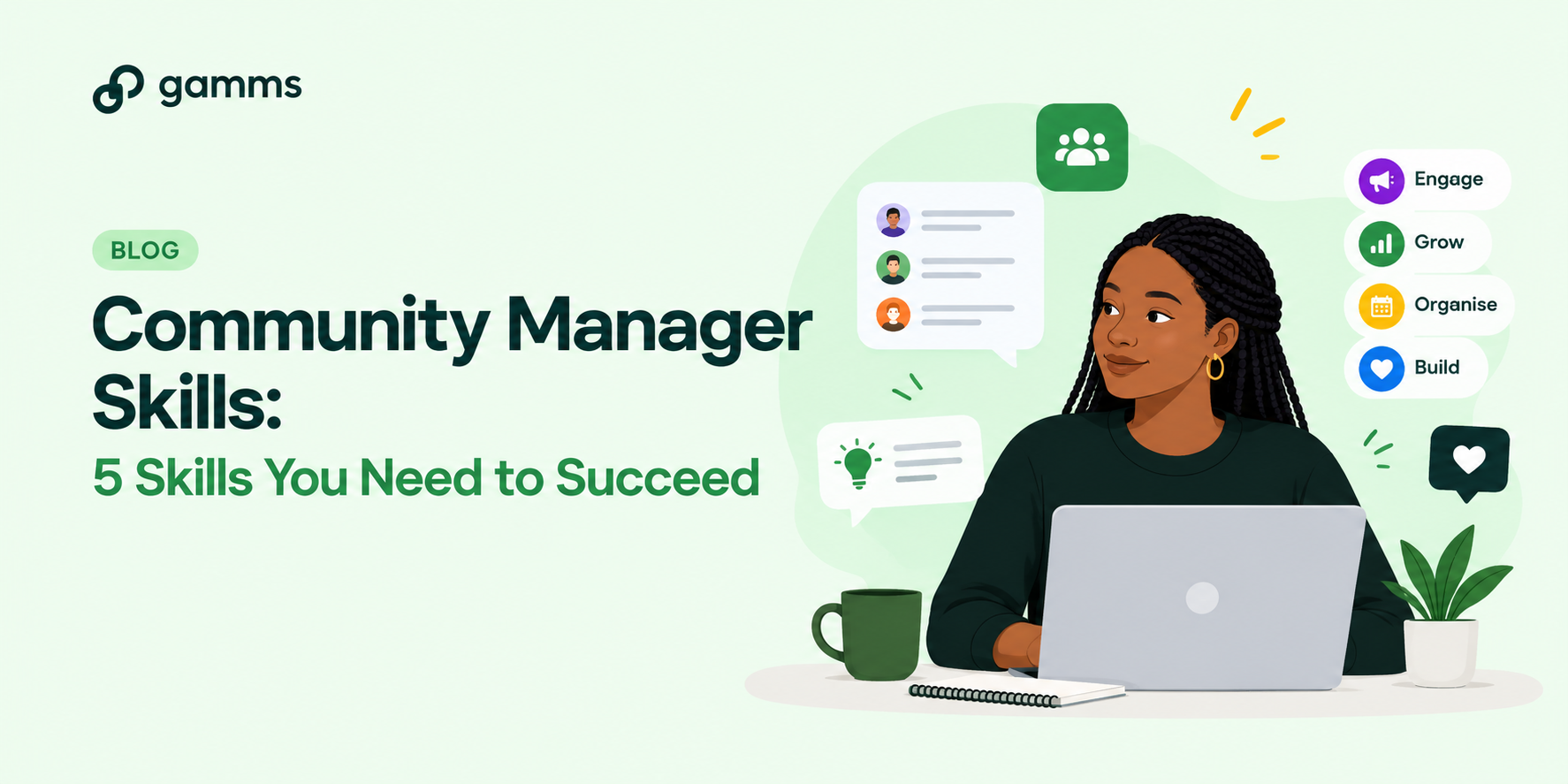
Community Manager Skills: 5 Skills You Need to Succeed
Learn the skills you actually need to become a successful Community Manager
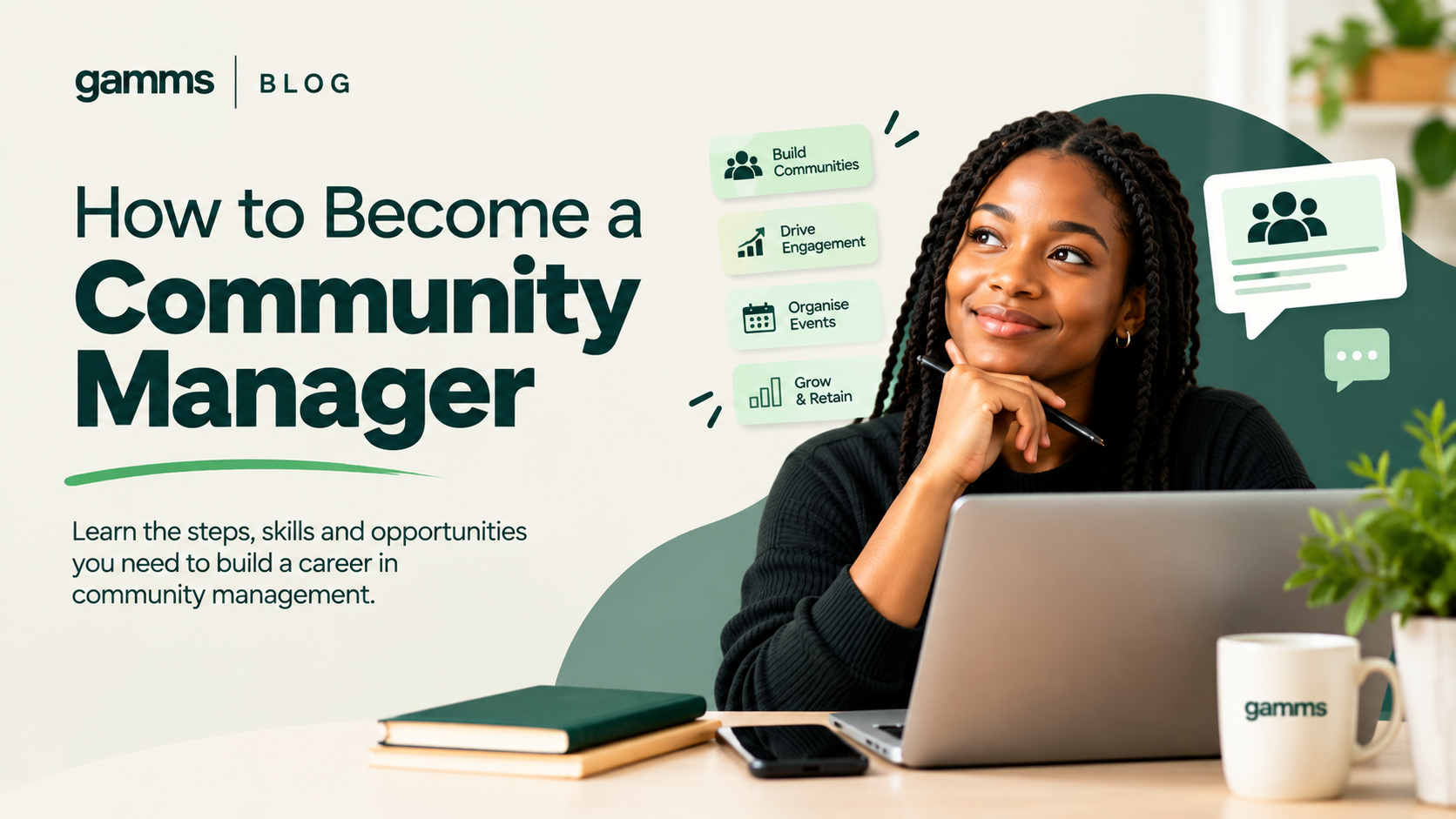
How to Become a Community Manager: A Complete Guide
Learn how to become a community manager, the skills you need, how to gain experience and how a community management course can help you start your career.
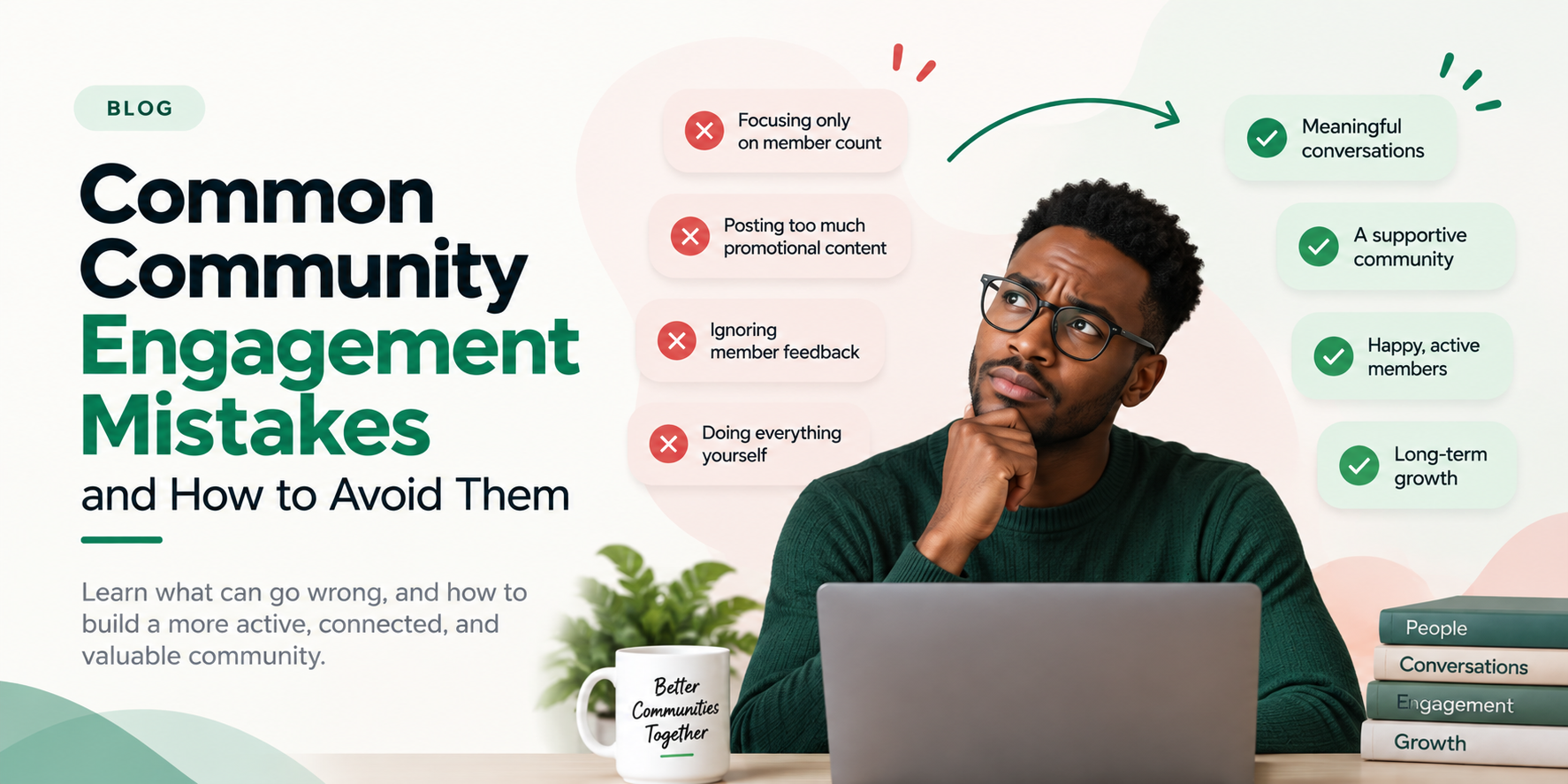
Common Community Engagement Mistakes and How to Avoid Them
Discover the most common community engagement mistakes and learn practical ways to build a more active, connected, and valuable community.