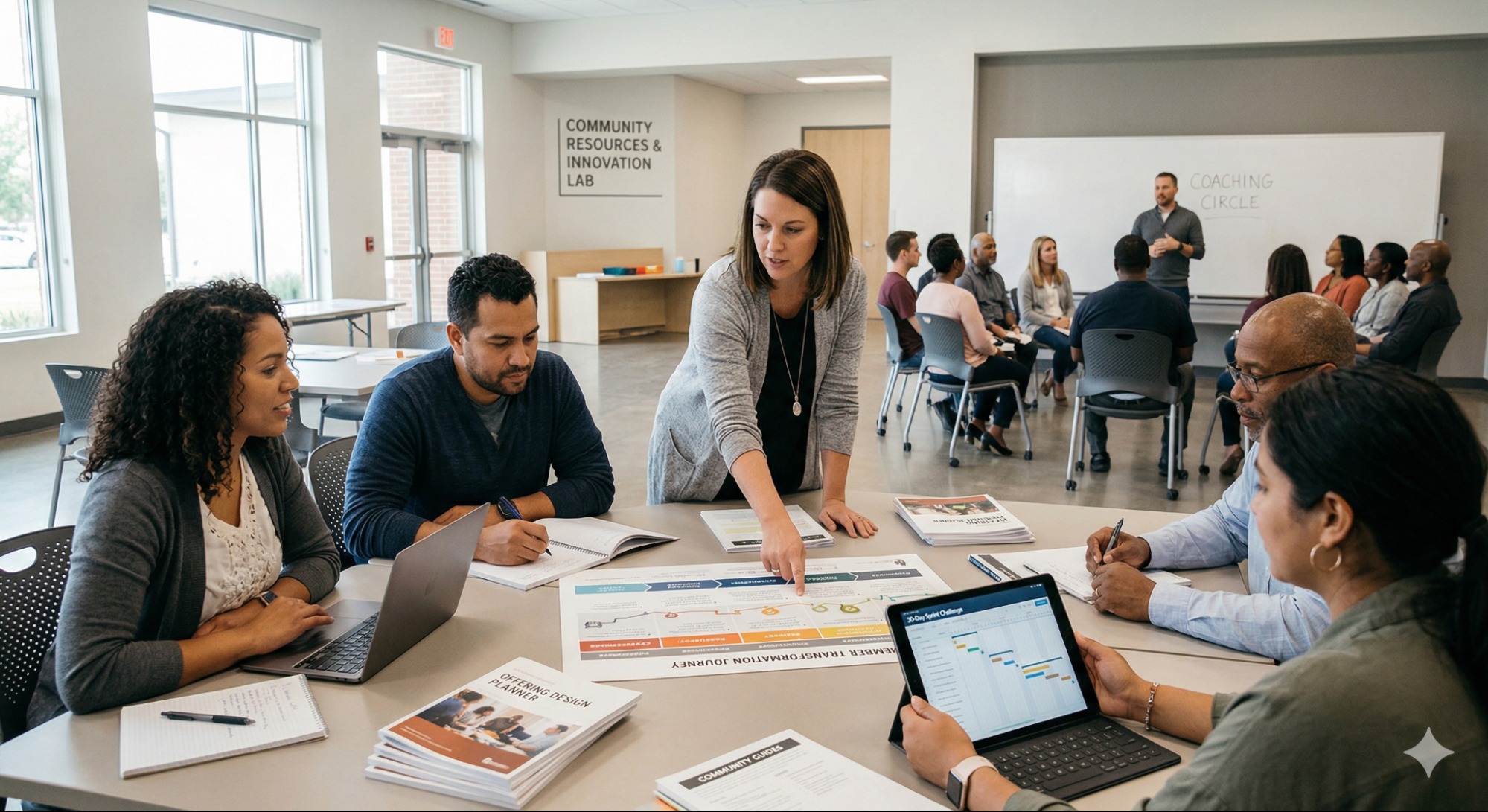
How to design a high-impact community offering
People only join communities that they believe will be valuable. This means that your most important job as a founder is to define exactly how you will provide that value.
Think about the last time you joined an online group. You did not join just to see more notifications on your phone. You joined because you believed that specific group would help you achieve a goal that matters. Your members are exactly the same.
Maybe they want someone to keep them focused as they work on a new project. Maybe they want access to tools and insider knowledge that will help them earn more in their career. Maybe they just want to meet people who share their specific interests.
People only join communities that they believe will be valuable. This means that your most important job as a founder is to define exactly how you will provide that value. This is what we call your community offering.
Why your community offering matters
A successful community is never built by accident. It is carefully designed, and your offering is the foundation of that design. Building an online space is not just about creating a few chat rooms and hoping people talk. It is about figuring out what you can provide to help your members go through a real transformation.
When your offering actually delivers on its promise, you will see three main benefits:
Members engage without being forced: Instead of wondering what to do, members see clear steps to take. They might join a live event, download a resource, or connect with a peer.
Members stay longer: When people get real value, they do not leave. They also become your biggest supporters and bring in new members for you.
Marketing becomes simple: When you have a clear offering, it is easy to explain why someone should join. You no longer have to use vague language or generic promises.
The three pillars of a strong community offering
Every high impact offering is built from three specific parts: experiences, resources, and connection opportunities.
Experiences that drive action: Experiences are structured activities or programs that help members make progress. These give people a reason to keep coming back because they provide accountability.
Live events: These bring people together in real time. On Gamms, this could look like a weekly coaching call, a Q&A session with an expert, or a coworking hour where everyone works on their tasks together.
Structured activities: These help members reach a specific outcome. You can run 30 day challenges, monthly sprints, or cohort-based courses where everyone learns the same thing at the same time.
Asynchronous discussions: These are flexible ways to stay connected. You can share daily prompts or create dedicated spaces where members post their weekly wins.
Resources that help members grow: Resources are the tools and materials that provide practical value. Members can access these at any time, making them perfect for people who prefer to learn at their own pace.
Resource library: This is a space for templates, checklists, and guides. If you are a legal expert, this might be a library of contract templates. If you are a writer, it might be a set of character development worksheets.
Video library: You can host replays of past events, tutorials, or expert interviews. This ensures that the value of your live sessions lives on long after the call is over.
Evergreen courses: These are step-by-step lessons that guide a member from point A to point B. On Gamms, these are hosted right next to your community discussions so members do not have to leave the site to learn.
Connection opportunities that build belonging: Connection is about the relationships between your members. This is the glue that keeps a community together. Unlike experiences which are about action, connection is about support and interaction.
Peer support: Create spaces where members can ask each other for help or share their challenges. This removes you as the bottleneck and allows members to learn from each other.
Member matching: You can group members into small mastermind circles or pairs. This helps people build deeper relationships that they would not find in a large group.
Onboarding focused on connection: Make sure new members feel seen immediately. You can have an introduction space where every new person gets a warm welcome from the group.
Finding the right mix for your brand
Every community has a different balance. Your specific mix should align with your goals and what your members actually need from you.
Premium Coaches often focus on experiences like live calls and high level connection opportunities to justify their pricing.
Course Creators usually lean heavily into resources like video libraries and structured challenges to help members finish their lessons.
Professional Organizations might balance industry resources with networking events for career growth.
Writers or Entrepreneurs often start with connection and peer support while they build out their library of tools over time.
The Gamms Advantage
The most common mistake is scattering these three pillars across different apps. You might have your resources on a course site, your experiences on a video call app, and your connections on a chat app. This makes it difficult for members to see the full value of your offering.
Gamms solves this by bringing everything into one ecosystem. Your live events, your resource library, and your member discussions all live under one roof. This makes the transformation you promise much easier to achieve. When you design your offering with care and host it in a single space, your community will naturally thrive.
More reads
Community Manager Skills: 5 Skills You Need to Succeed
Learn the skills you actually need to become a successful Community Manager
How to Become a Community Manager: A Complete Guide
Learn how to become a community manager, the skills you need, how to gain experience and how a community management course can help you start your career.
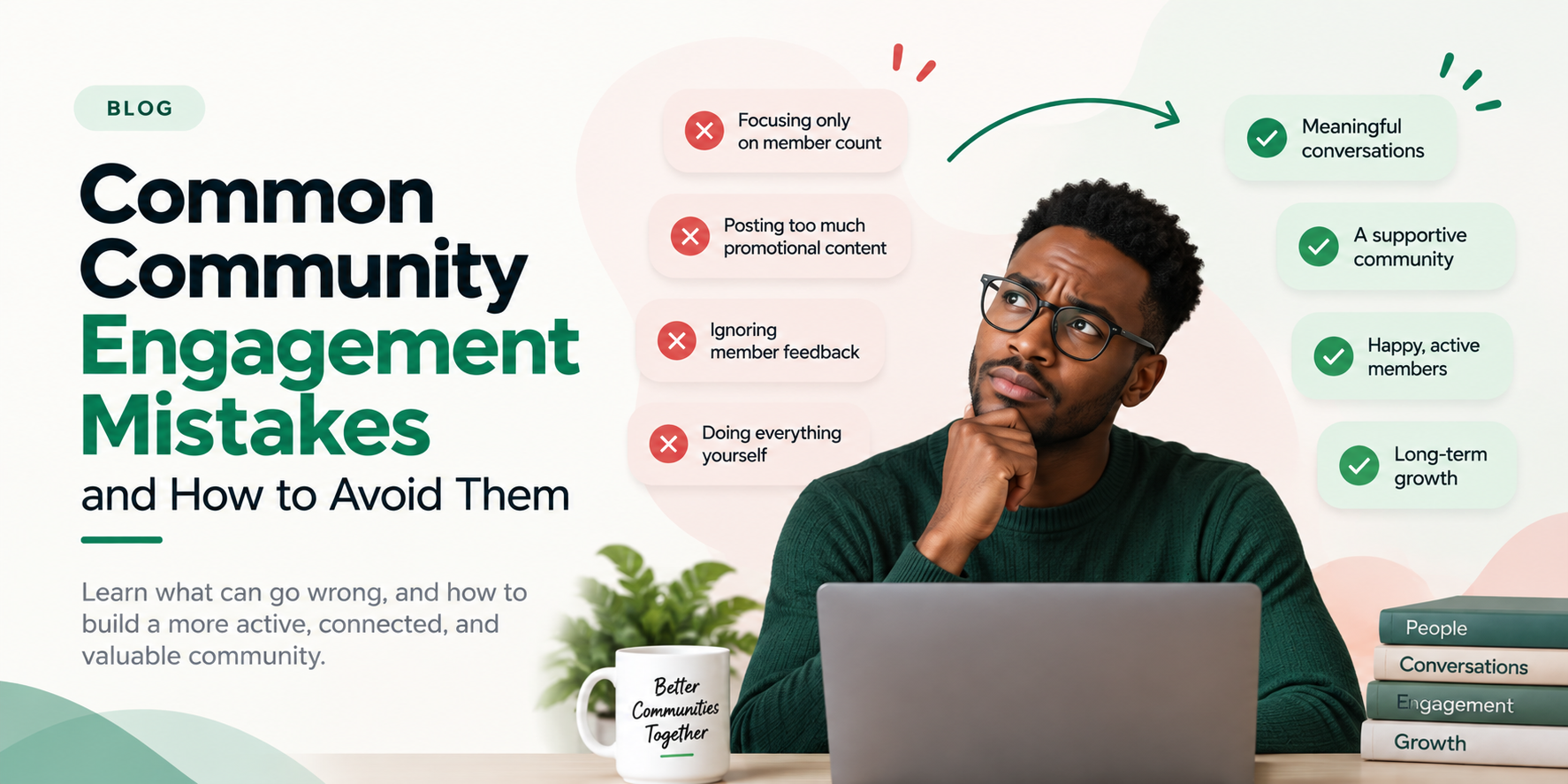
Common Community Engagement Mistakes and How to Avoid Them
Discover the most common community engagement mistakes and learn practical ways to build a more active, connected, and valuable community.