
Choosing the right online course platform in 2026
Choosing the right platform is about more than just finding a place to host videos. It is about creating an environment where students actually reach the finish line. When your students succeed, your brand grows through referrals and testimonials.
Getting students to actually finish an online course is one of the biggest challenges for creators today. Between social media notifications and daily life, your learners are constantly being pulled away from your content. As a Nigerian creator, you are also dealing with the added pressure of fluctuating data costs and the difficulty of receiving international payments.
Choosing the right platform is about more than just finding a place to host videos. It is about creating an environment where students actually reach the finish line. When your students succeed, your brand grows through referrals and testimonials.
In this guide, we will look at:
The difference between marketplace and self-hosted platforms.
Why community-powered learning is the secret to high completion rates.
A comparison of the top platforms available for Nigerian creators.
What is an online course platform
An online course platform is software that allows you to build, host, and sell your expertise. These tools handle the technical side of things, such as video hosting, payment processing in Naira, and student management, so you can focus on teaching.
Marketplace vs Self-Hosted
There are two main ways to host your course:
Digital Marketplaces (Udemy, Coursera): These are essentially malls for courses. They bring the audience to you, but they take a large cut of your revenue and you do not own your student data.
Self-Hosted Platforms (Gamms, Teachable): These give you full control. You own the branding, the customer list, and the profit margins. This is the better option for creators looking to build a long-term business.
Why community leads to success
Industry data shows that most self-paced courses have a completion rate of only 10 to 15 percent. However, when you add a community element, that number often jumps to over 40 percent.
Learning is naturally social. When students can ask questions, share their wins in a Community Square, and see others progressing, they stay motivated. Features like peer check-ins and weekly live workshops turn a lonely video-watching experience into a shared journey. On Gamms, this connection is built into the foundation so your students never have to leave the platform to get help.
Top platforms for Nigerian creators in 2026
Platform | Best For | The Reality |
Gamms | All-in-one growth | Built for the local market with Naira payments and integrated community features. |
Teachable | First-time creators | Easy to use but community features are limited and international fees apply. |
Kajabi | Large budgets | Very powerful but the high monthly cost in dollars can be a barrier for many. |
Udemy | Pure discovery | Good for testing ideas, but you have almost no control over your branding. |
Skool | Simple groups | Very simple to use but lacks the advanced design and automation tools needed to scale. |
What to look for in a platform
If you want your course to move the needle for your business, your platform needs to handle more than just video playback.
1. Integrated Payments
For creators in Nigeria, this is the most critical feature. You need a platform that allows your students to pay via bank transfer or local cards in Naira. Juggling middleman payment apps often leads to lost sales at the checkout page.
2. Seamless Community Access
If your course and your community are in two different apps, your engagement will suffer. Look for a platform where the discussion happens right next to the lesson. This makes it easy for students to ask for clarity without losing their place in the curriculum.
3. Mobile Accessibility
Your students are likely learning on their phones during their commute or in between tasks. A mobile-friendly interface ensures they can access your content whenever they have a spare moment.
4. Automation Tools
A professional platform should help you scale. This includes automated welcome messages, reminders for students who have stalled, and certificates of completion that are sent out automatically.
The Gamms Advantage
Most creators end up with a messy tech stack. They have their course on one platform, their community on a chat app, and their payments on another site. This fragmentation leads to a poor student experience and creator burnout.
Gamms was designed to be the single foundation for your digital business. It brings your courses, your Community Square, and your local payment processing into one ecosystem.
When you build on Gamms:
Your students have one login for everything.
You keep more of your revenue by avoiding high international platform fees.
You can use gamification and leaderboards to keep your learners engaged.
The goal of an online course in 2026 is transformation, not just information. By choosing a platform that prioritizes connection and local accessibility, you give your students the best chance of succeeding and your brand the best chance of growing.
More reads
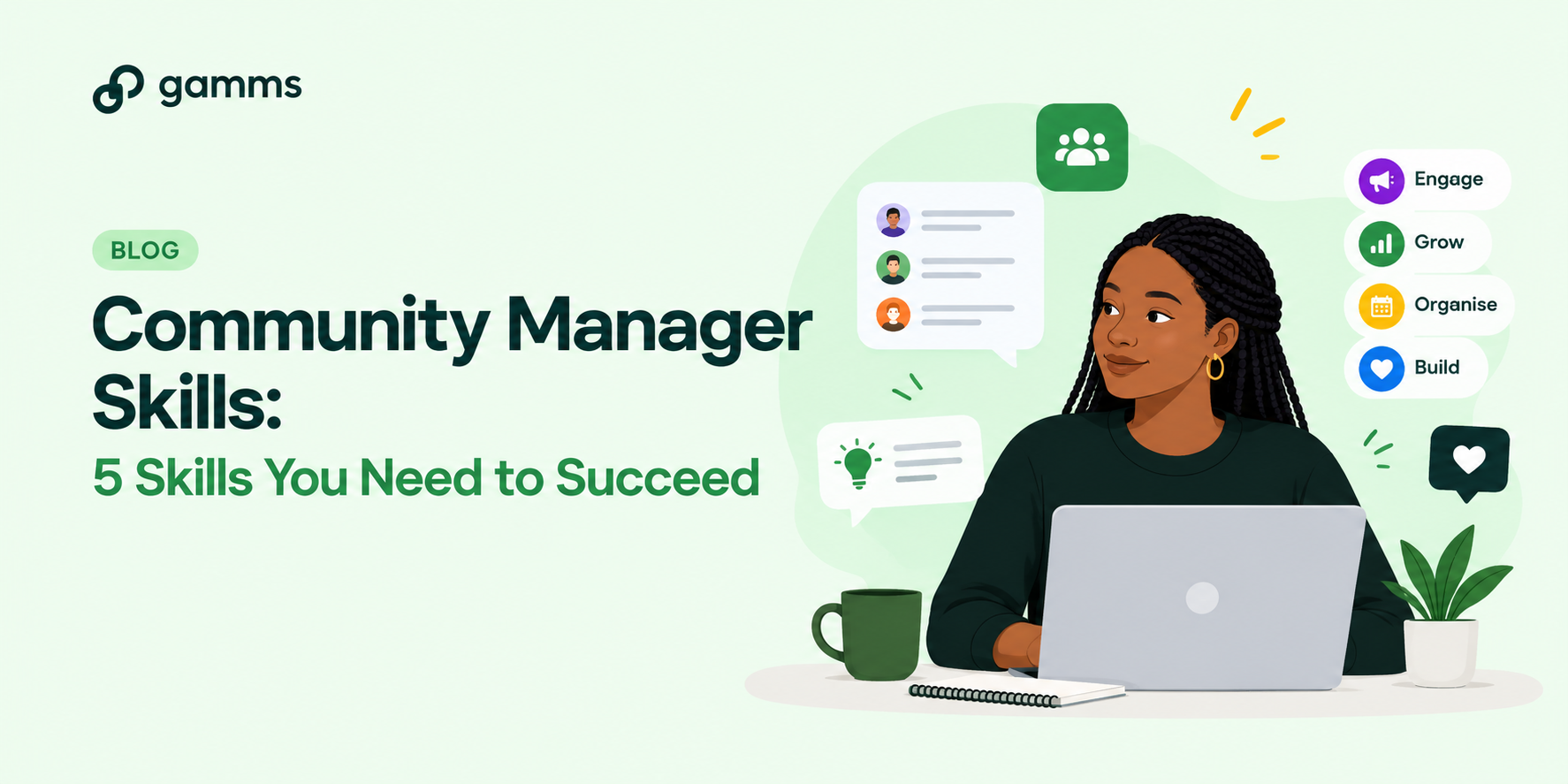
Community Manager Skills: 5 Skills You Need to Succeed
Learn the skills you actually need to become a successful Community Manager
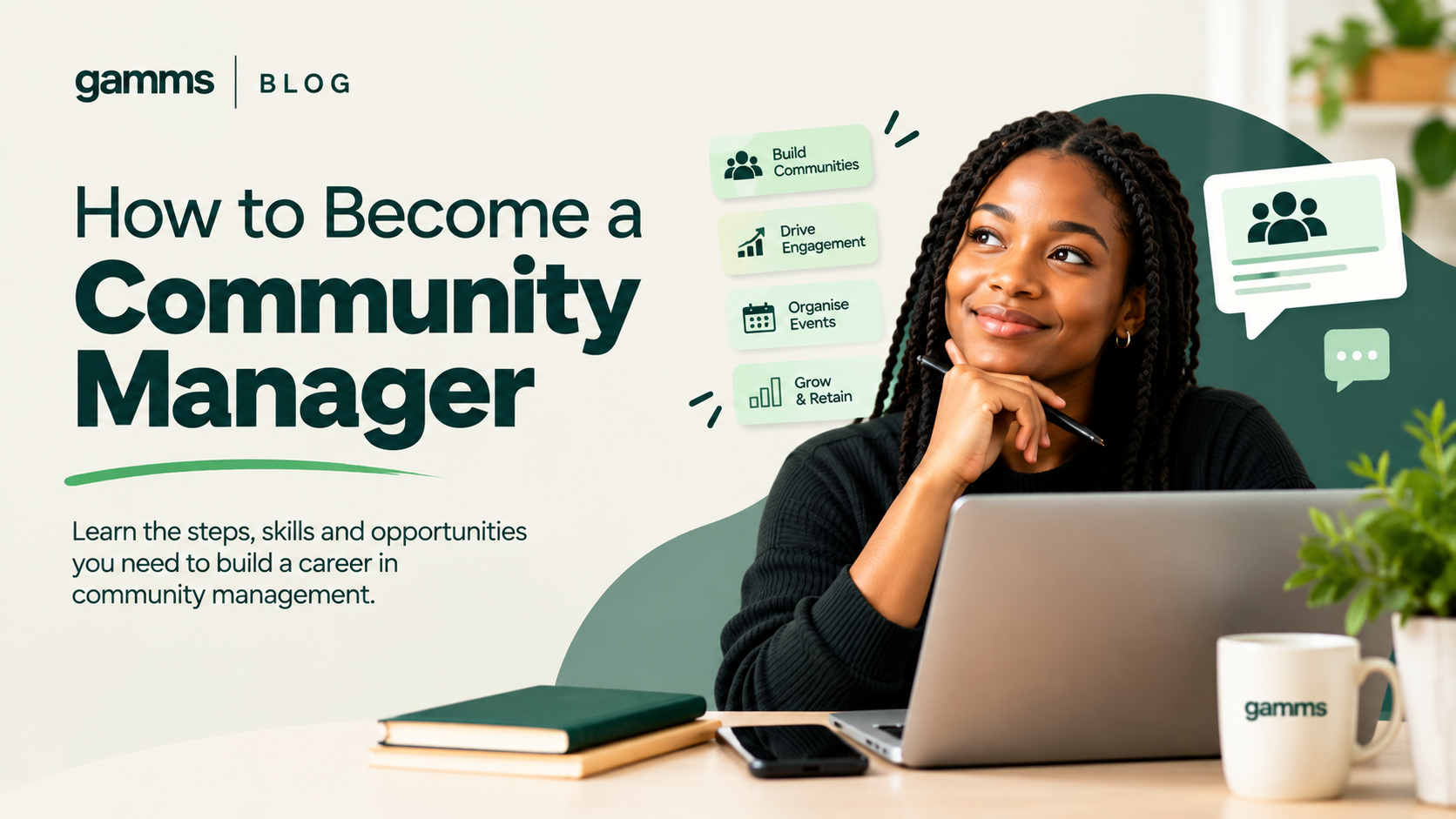
How to Become a Community Manager: A Complete Guide
Learn how to become a community manager, the skills you need, how to gain experience and how a community management course can help you start your career.
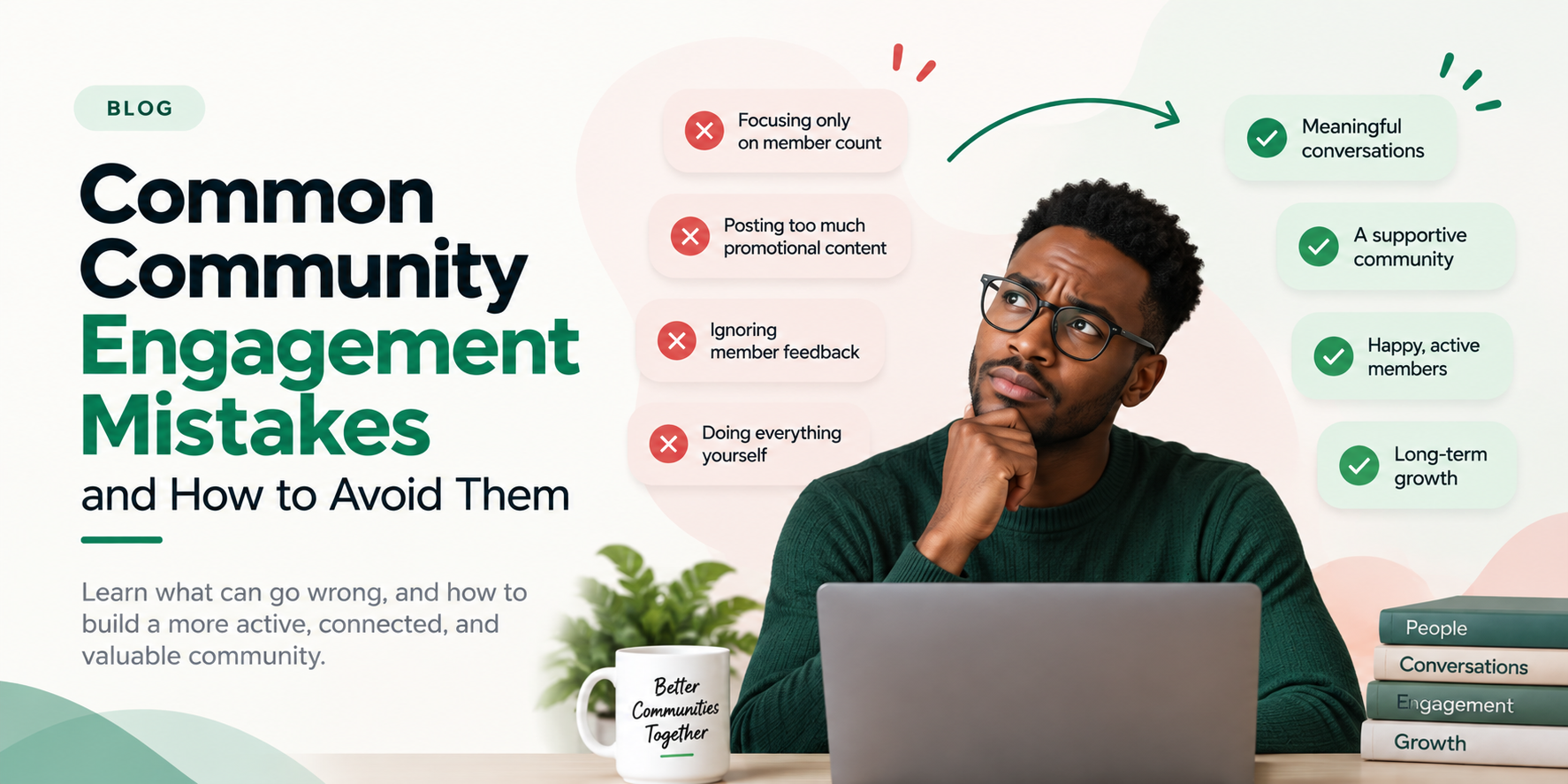
Common Community Engagement Mistakes and How to Avoid Them
Discover the most common community engagement mistakes and learn practical ways to build a more active, connected, and valuable community.