Essential Community Manager Skills: The Complete 2026 Guide
A community manager is the engine of your digital space. They are not just deleting spam or answering support tickets. They are the bridge between your members and your business goals.
The digital world is crowded with communities. In 2026, it is estimated that thousands of new platforms and groups are launched every single month. To stand out, brands can no longer rely on just having a product. They need a space where their users feel a sense of belonging.
Many companies make the mistake of treating community management as a side task for the marketing team. They expect someone to manage a group of five thousand people in their spare time. This approach usually leads to dead feeds and frustrated members. Successful brands realize that a community needs a dedicated architect to strategize, organize, and lead.
Whether you are starting from zero or scaling an existing group, you need a specific set of skills to turn a collection of strangers into a thriving ecosystem. Here is everything you need to know about the role and the attributes that make a community manager successful today.
What exactly does a community manager do
A community manager is the engine of your digital space. They are not just deleting spam or answering support tickets. They are the bridge between your members and your business goals.
Managing daily operations
At its core, the job is about showing up. This means checking the pulse of the group every morning, welcoming new faces, and ensuring that questions are answered. You are the one who keeps the lights on and makes sure the space feels lived in.
Building connections
The best community managers are matchmakers. They see a member in Lagos who is struggling with a specific tech problem and introduce them to a member in Kaduna who just solved it. They celebrate the small wins of the members and create a culture where people feel safe to share their work.
Designing experiences
You are responsible for the programming. This includes planning live workshops, drafting weekly newsletters, and organizing Q&A sessions. Instead of just filling a calendar, you are creating moments that help members reach their personal or professional goals.
Acting as a feedback loop
You hear the honest opinions of your customers before anyone else in the company. You translate member frustrations into feature suggestions and keep everyone informed about upcoming changes. You represent the voice of the member in every business meeting.
21 Essential skills and traits for community managers
To succeed in this role, you need a mix of technical ability and emotional intelligence. Here are 21 points that define a professional community manager in 2026.
Empathy: The ability to understand what a member is feeling even when they do not say it directly.
Clear communication: Writing in a way that is simple, direct, and easy to understand.
Active listening: Paying attention to recurring themes in conversations to identify what the community really needs.
Problem solving: Fixing issues before they become major conflicts.
Digital literacy: Looking at engagement metrics to understand what is working and what should be stopped.
Technical savvy: Understanding how to use platforms like Gamms to automate repetitive tasks.
Moderation: Knowing when to step in to stop a heated debate and when to let a healthy disagreement continue.
Event planning: The ability to coordinate live sessions that members actually want to attend.
Storytelling: Sharing member success stories to inspire the rest of the group.
Adaptability: Changing your strategy as the community grows from 100 to 1,000 members.
Patience: Dealing with repetitive questions or difficult personalities with a calm attitude.
Strategic thinking: Aligning community activities with the long term goals of the business.
Content creation: Drafting prompts and articles that spark real conversations.
Conflict resolution: De-escalating tension in public threads or private messages.
Networking: Building relationships with natural leaders in the group who can help you lead.
Project management: Keeping track of multiple events, newsletters, and challenges at once.
Curiosity: Staying updated on the latest trends in the creator economy and tech space.
Documentation: Creating standard operating procedures so the community can run even when you are away.
Branding: Ensuring the community space reflects the voice and look of the parent brand.
Resilience: Handling the pressure of being the public face of a brand, especially during a crisis.
Leadership: Moving from being a moderator to being a mentor who empowers others to take charge.
How a community manager helps a business scale
A skilled manager is the secret to sustainable growth. They build an engine that works for the business even when the marketing budget is tight.
Systems and automation
What works for a small group of friends will not work for a professional organization. A great manager builds systems. They use tools to automate onboarding and welcome sequences. This ensures that every new member gets a premium experience without the manager having to type the same message five hundred times.
Leadership through delegation
As a community gets larger, one person cannot do everything. Successful leaders identify the most active members and turn them into ambassadors or moderators. This creates a multiplier effect where the community begins to support itself.
Informed decision making
A community manager uses data to guide the business. Instead of guessing which features to build next, they can point to specific discussions or polls from the members. This reduces the risk of building products that nobody wants.
The Gamms perspective
One of the biggest obstacles for any community manager is a messy tech setup. Juggling three different apps for chat, courses, and payments makes it nearly impossible to stay organized.
Gamms is designed to remove this friction. By bringing your discussions, events, and member data into one place, it allows you to focus on the 21 skills mentioned above rather than fighting with your software. When your tools are unified, you have more time to build the human connections that actually matter.
Whether you are a freelancer managing groups for clients or a founder building your own brand, the goal is the same: to create a space where people feel they belong. With the right skills and a solid foundation, you can turn any group into a powerful business asset.
More reads
Community Manager Skills: 5 Skills You Need to Succeed
Learn the skills you actually need to become a successful Community Manager
How to Become a Community Manager: A Complete Guide
Learn how to become a community manager, the skills you need, how to gain experience and how a community management course can help you start your career.
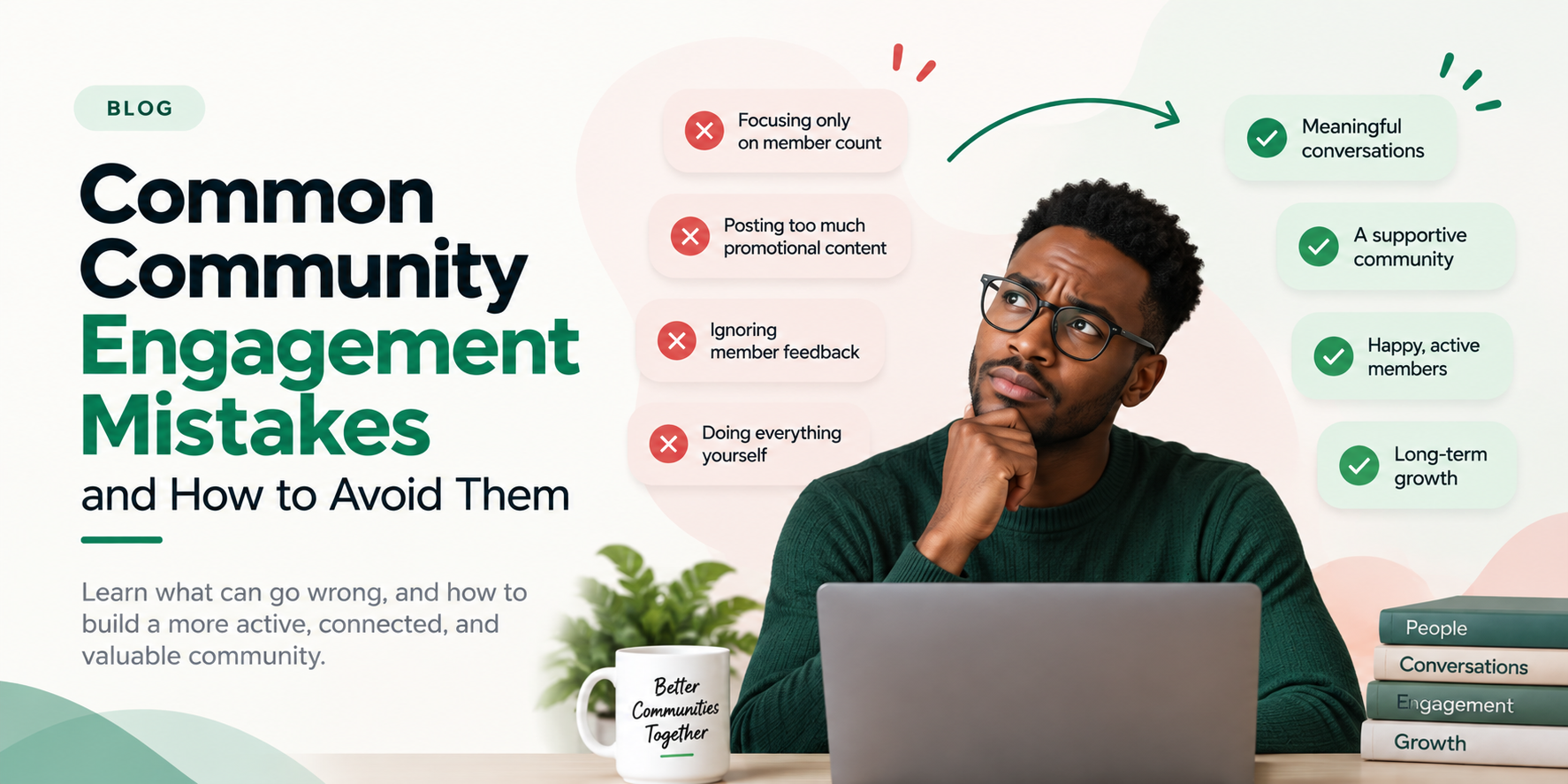
Common Community Engagement Mistakes and How to Avoid Them
Discover the most common community engagement mistakes and learn practical ways to build a more active, connected, and valuable community.