
Building a Recognizable Digital Creator Brand in 2026
Branding is the set of associations your audience makes when they see your name. It is not just about choosing a sleek font. It is about intentionality.
The current creator culture might feel like a new trend, but it is actually an evolution of how people have gathered around shared interests for a long time. Before social media gave us access to billions of people, creators were making zines in art shops or starting bands in their backyards.
Fast forward to 2026, and digital creators have an endless list of tools to build community. But the success of a brand is not just about the technology. It is about blending storytelling with business logic to turn connections into a professional ecosystem.
In this guide, you will learn:
The difference between content creators and digital creators.
How to move from a personal name to a business brand.
Why your brand is about more than just your logo.
How to use systems to scale your business.
What is a digital creator?
While the terms are often used interchangeably, there is a distinct difference between these roles.
Content creators focus on making informative, value-driven media. They are storytellers at heart.
Digital creators go a step further. They build digital ecosystems and products around their brand. They treat their content as the foundation for a larger business.
Influencers focus on the relationship with their audience to promote other brands and products.
The main difference is that a content creator makes media, while a digital creator builds a business with media at the center. All digital creators are content creators, but not all content creators are digital creators.
The four types of digital content
Successful brands usually master one of these formats before expanding into others.
Content Type | Best For | Description |
Written | Writers and Editors | Newsletters, ebooks, and articles that simplify complex topics. |
Video | Personalities | Long-form tutorials or short, engaging clips for discovery. |
Audio | Interviewers | Podcasts and voice notes that build connection without a camera. |
Visual | Designers | Infographics and PDFs that use layout and color to explain ideas. |
Your unique mix of these formats is what turns simple information into a community connection.
Why branding is about associations, not just a logo
Branding is the set of associations your audience makes when they see your name. It is not just about choosing a sleek font. It is about intentionality. You pair what you do with what you want to be known for. When this is done well, it builds trust and moves people to take action.
Consider these examples of clear brand identity:
James Clear: He has built a brand around the science of small improvements and habit formation.
Fisayo Fosudo: He has built a brand around clean visual aesthetics and making tech and finance understandable for the Nigerian market.
MrBeast: His brand is known for generosity and large-scale entertainment experiments.
Tayo Aina: His brand is synonymous with high-quality African storytelling and shifting the global narrative through travel and lifestyle.
Digital creators focus on building connections rather than just feeding an algorithm. When you consistently show up with a clear message, your audience starts to trust your expertise. This trust transforms a casual viewer into a loyal member.
When a creator brand becomes a business
A personal brand is often built on personality, but a business brand is built on process. As your work grows, your product might become bigger than your personal identity. At this stage, your business needs a few specific structures:
A distinct visual identity: You need a look that people recognize even if they do not follow your personal account.
Separate brand guidelines: You need a consistent voice and messaging that your team can follow when you are not there.
Scalable systems: Your fulfillment and customer service must run even when you are offline.
This separation protects your lifestyle while giving your business the room it needs to grow into larger markets.
How to build brand messaging that connects
Clear messaging makes your audience feel like they are missing out if they do not join you. You can achieve this by following a simple framework:
Narrow your niche: Do not try to help everyone. Choose a specific problem and solve it better than anyone else.
Define your audience: Your ideal member is often a past version of yourself. Look back at the problems you were desperate to solve five years ago and find people currently in that position.
Position your value: Frame your offer through the transformation it provides. What pain is your audience living with, and what will their life look like after they join your community?
Differentiate your brand: Stand out by sharing your unique origin story and your specific success rates.
Your brand is an invitation to your community
Your brand is the handshake that determines if someone joins your space. To make your brand feel like an invitation, you should focus on shared values. People might come for the information, but they stay because they feel part of something bigger than themselves.
The most successful creator brands do not just broadcast information. They create space for members to contribute. They ask questions that start conversations and highlight the wins of their members. This accessibility makes your brand feel like a conversation rather than a lecture.
Maintaining consistency with Gamms
The biggest challenge for any creator is keeping a consistent brand across many different apps. Using separate tools for your newsletter, your courses, and your community often leads to a messy experience for your followers.
Gamms is designed to solve this problem. It brings all your touchpoints into one ecosystem. Whether a member is watching a course, attending an event, or participating in a discussion, they stay within your branded environment. This seamless experience builds trust and keeps your brand at the center of the member journey.
By focusing on connection over clicks and systems over snapshots, you can build a digital brand that lasts.
More reads
Community Manager Skills: 5 Skills You Need to Succeed
Learn the skills you actually need to become a successful Community Manager
How to Become a Community Manager: A Complete Guide
Learn how to become a community manager, the skills you need, how to gain experience and how a community management course can help you start your career.
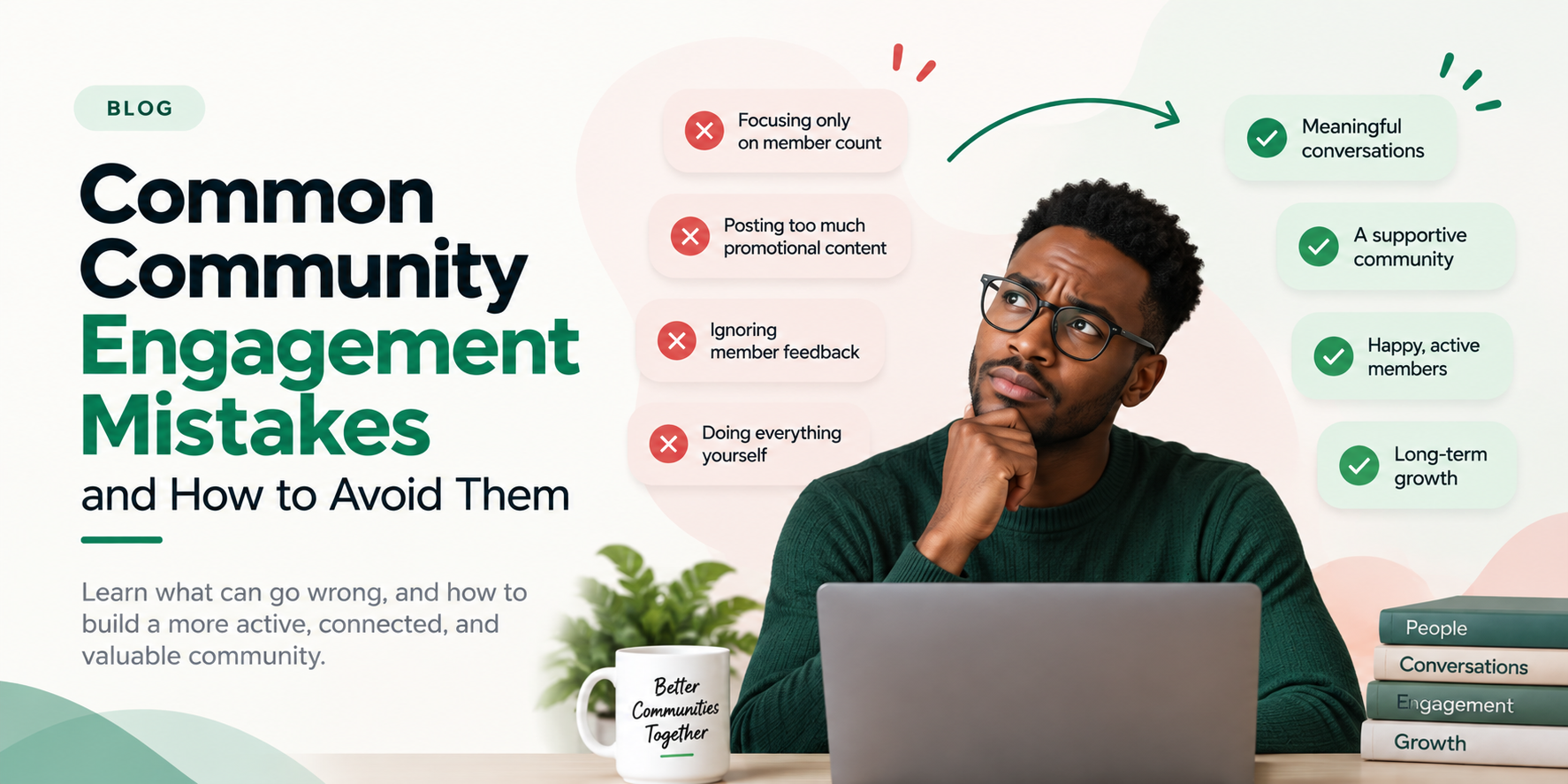
Common Community Engagement Mistakes and How to Avoid Them
Discover the most common community engagement mistakes and learn practical ways to build a more active, connected, and valuable community.