
How Creators Build Six-Figure Communities
Discover how creators build six-figure communities — the strategies, monetization models, and community management systems behind the most profitable creator communities.
The most successful creators are no longer making their money from content alone because sponsorships fluctuate, algorithm reach shrinks, and Ad revenue is unpredictable. What the top-tier creators have figured out is that the real money is not in the audience; it is in the community.
Here is how creators build six-figure communities: they convert their audience into a membership, structure that membership around ongoing value, and use community management systems to retain members long enough for the revenue to compound. It is repeatable, and it works across niches, platforms, and audience sizes.
Why Creators Are Moving From Audiences to Communities
An audience watches. A community participates. That distinction sounds simple, but the revenue gap between the two is enormous.
A creator with 100,000 followers, monetising through brand deals, earns unpredictably, chasing sponsors and losing income the moment engagement dips. A creator with 1,000 paying community members at ₦10,000 per month consistently earns ₦10,000,000 per month, without a single brand deal.
This is the model powering six-figure creator businesses today. Not scale. Depth. The shift from broadcasting content to building a community changes a creator from a media business into a membership business and membership businesses compound.
The Four Things Six-Figure Creator Communities Have in Common
Creators who successfully build six-figure communities are not doing wildly different things. They are doing the same things better and more intentionally.
1. A specific, ownable niche
Six-figure communities are never built for everyone. They are built for a clearly defined person with a clearly felt problem. "A community for writers" will always underperform "a community for fiction writers building their first self-publishing income." Specificity is not a limitation, it is the engine of both acquisition and retention. The more precisely a creator names their ideal member, the faster those members find them and the longer they stay.
2. A clear value proposition beyond the content
The content brought the audience. The community has to offer something that the content alone cannot. This might be direct access to the creator, peer relationships with like-minded members, structured learning or accountability, early access to work in progress, or the status of belonging to a selective group. Creators who build six-figure communities can answer the question "why would someone pay to be here?" in one sentence.
3. Intentional community management
This is where most creators underinvest. Building a paid community is not the same as running one. The creators generating the most consistent revenue from their communities treat community management as a core function, not an afterthought. They have onboarding flows that activate new members within 72 hours. They run weekly engagement formats so the community never goes quiet. They track retention metrics, not just member counts. Community management, done intentionally, is what keeps the revenue stable month after month.
4. A monetisation model that matches the community's purpose
Six-figure creator communities typically use one of three monetisation structures or a combination of all three:
Membership subscriptions — recurring monthly or annual access fees, typically ranging from a low entry point for broad communities to premium pricing for high-touch cohorts
Paid events and experiences — workshops, masterclasses, live sessions, and retreats that layer additional revenue on top of base membership
Productised services and courses — structured learning programmes sold to community members who are already warm, trusted, and ready to invest
The creators who reach six figures fastest are usually those who stack all three inside a single community ecosystem rather than running them on separate platforms.
The Community Management System Behind the Revenue
Revenue at this level does not come from a great launch. It comes from a retention system that runs consistently in the background.
The most profitable creator communities run on a simple community management rhythm: structured onboarding that activates new members within their first week, a weekly engagement calendar that gives members a reason to return, and monthly programming like a live event, a new cohort, a featured member spotlight, something that creates recurring value peaks throughout the year.
Creators who build this system find that churn drops and revenue becomes predictable. Those who skip it find that even strong launches plateau quickly because acquisition without retention is a leaking bucket.
How Creators Build Six-Figure Communities on Gamms
The system described above requires a platform specifically built for it, and most creators waste enormous time and money stitching that infrastructure together across multiple platforms.
Gamms is built specifically for creators who want to run their community, their events, their membership payments, and their content all in one place without the tool sprawl that kills momentum.
On Gamms, creators can launch both free and paid communities, set up membership tiers, and collect recurring payments directly. There are no commission fees on revenue, which means more of what members pay goes directly to the creator. Events, either virtual, in-person, or hybrid, are built in, with integrated ticketing and payments. Spaces let creators build private sub-communities for premium members, cohort groups, or accountability circles within the same ecosystem.
The community management tools are native too: discussions, polls, announcements, member management, and storefront all in one place.
For creators serious about building six-figure communities, the model works. The question is whether the infrastructure can support it without friction. Gamms is where creators build that infrastructure.
Ready to build your community? Start at gamms.app
More reads
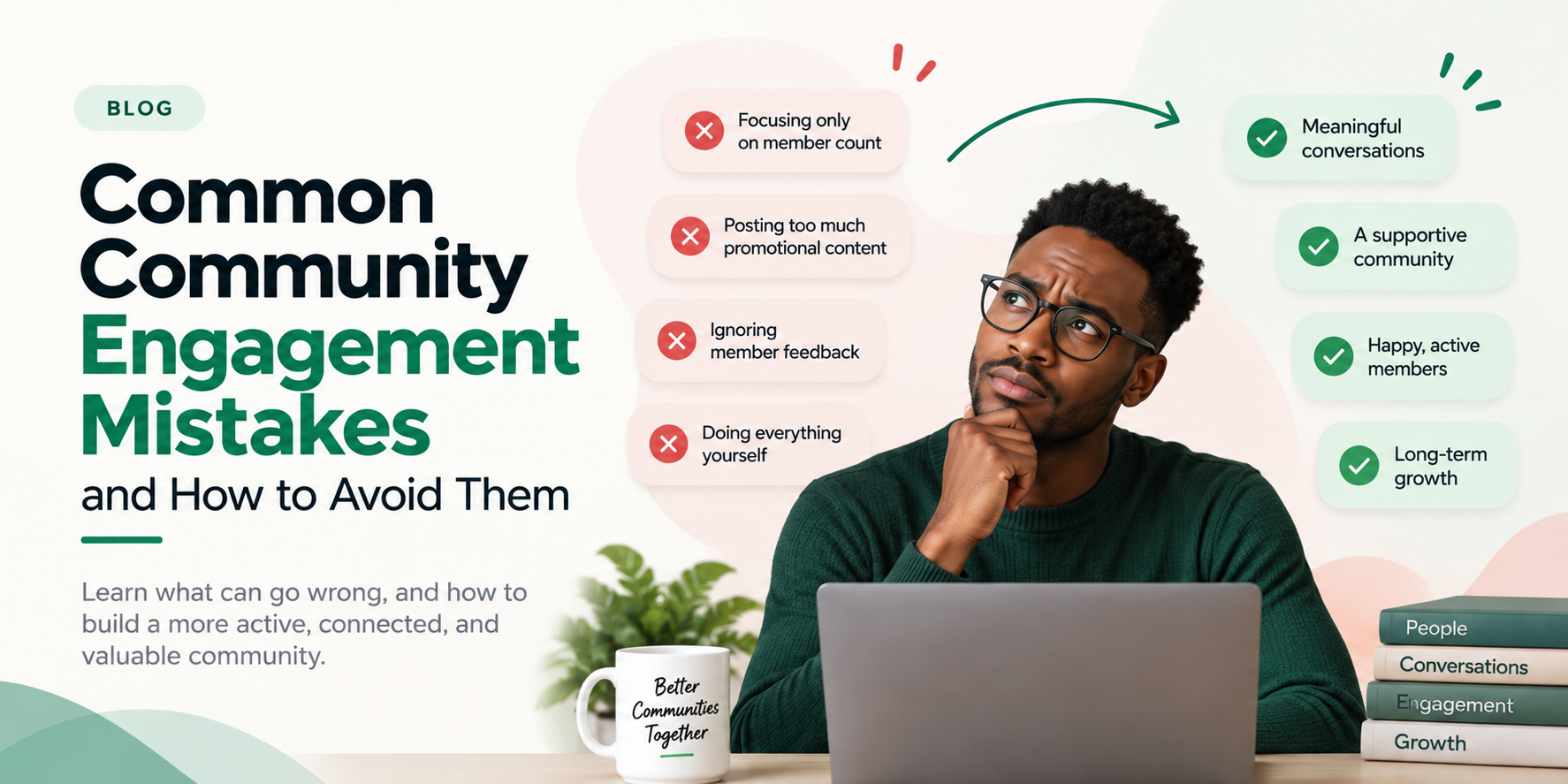
Common Community Engagement Mistakes and How to Avoid Them
Discover the most common community engagement mistakes and learn practical ways to build a more active, connected, and valuable community.
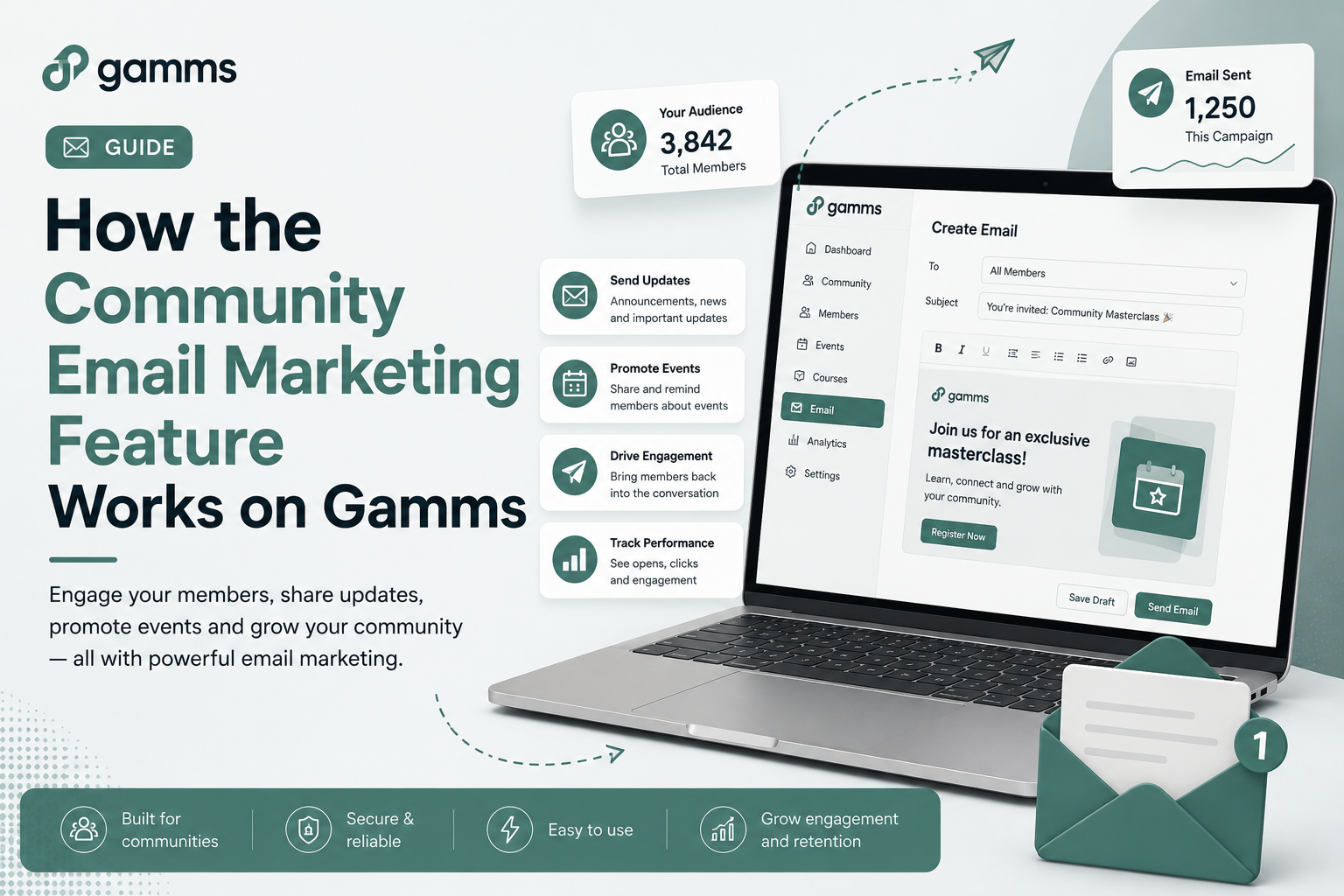
How the Community Email Marketing Feature Works on Gamms
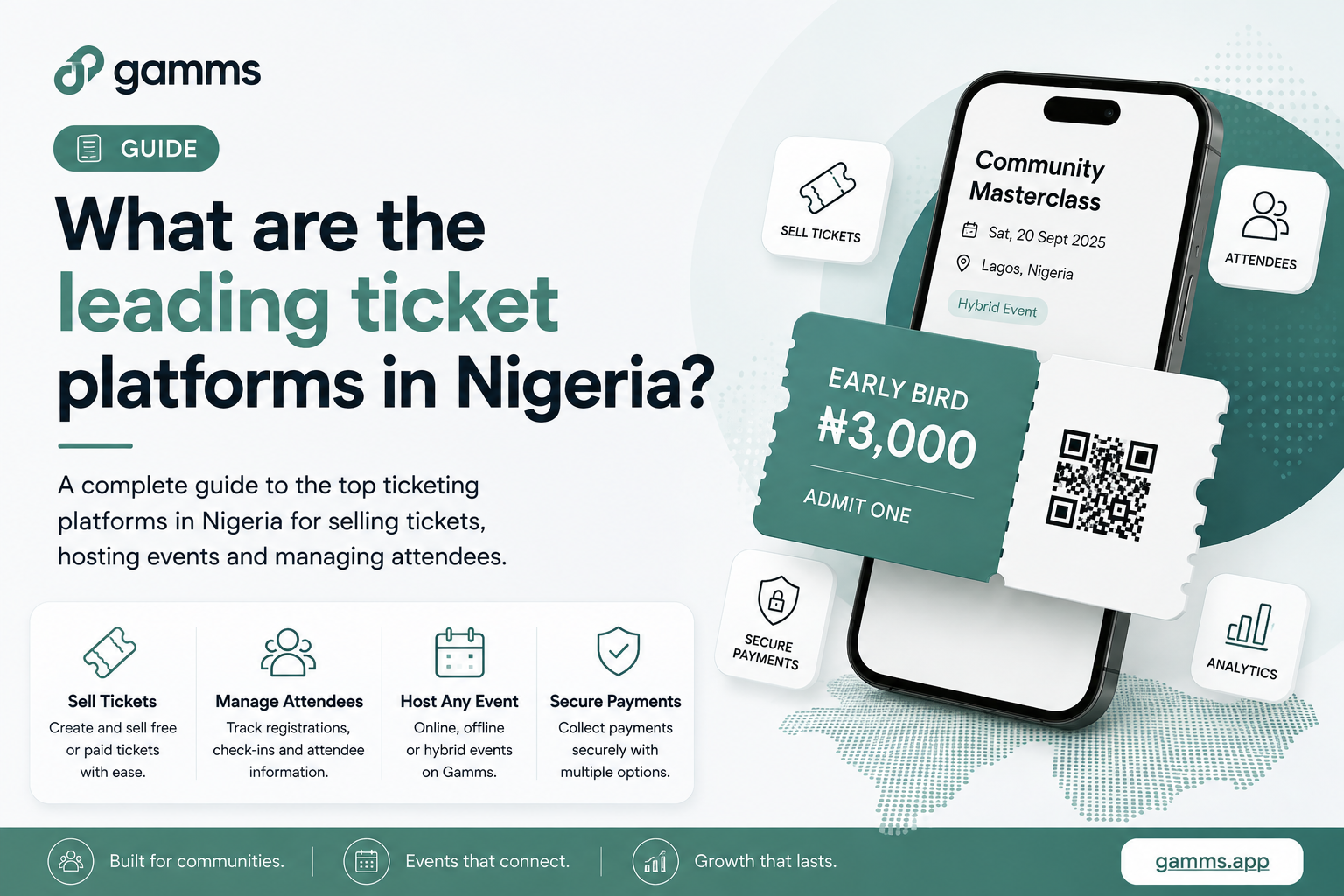
What are the leading ticket platforms in Nigeria?
Looking for the best ticketing platform in Nigeria? Here are five platforms to consider for selling tickets, managing attendees, and hosting successful events from community meetups to large-scale events